
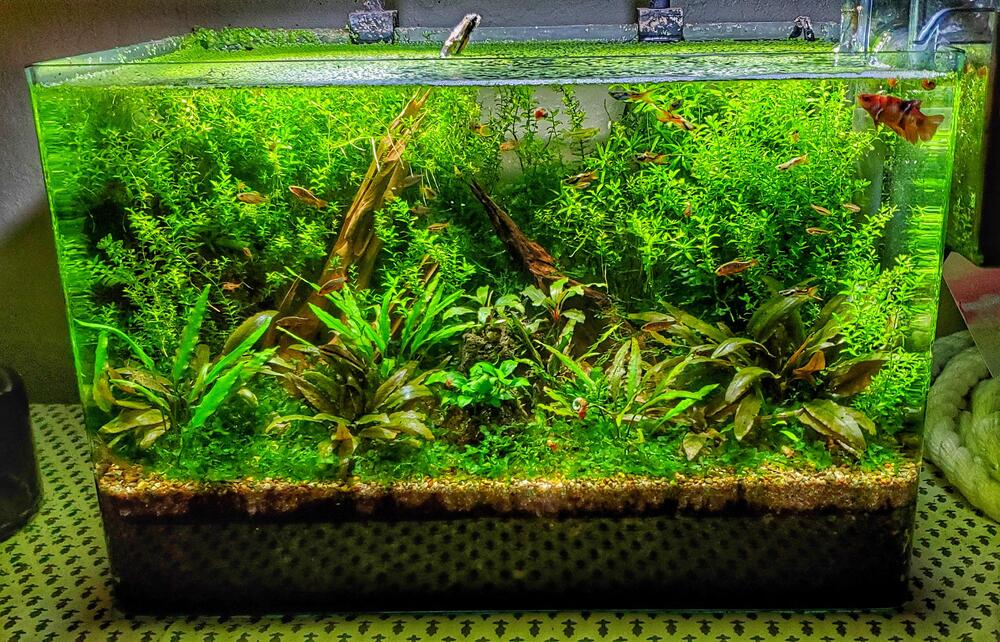
Irrespective of which substrate you use for the aquarium, cleaning and maintaining it is necessary. Gravel substrate is comparatively easy to clean but takes time and effort. When you know the right ways to clean the aquarium gravel, things get easier and fish-keeping becomes hassle-free.
An important tool required to clean the aquarium gravel is a siphon or gravel vacuum. It sucks up the debris from the bottom of the tank. As per the thumb rule, aquarists must clean the gravel substrate once every month.
So, if you are using gravel substrate, this article will help you understand how to maintain the tank with it. By the end of the article, you will know when and how to clean aquarium gravel in a step-by-step method. Also, it will tell the importance of a gravel vacuum cleaner and how to clean when you don’t have a vacuum. Keep reading!
What is the best time to clean aquarium gravel?
If you are planning to clean the gravel, there are two things that you need to consider–
- How much debris or filth is visible
- When was the last time you cleaned it
There is no need to clean the gravel every time you change the water, though it is the best time. Doing it too often is considered unnecessary as it will disturb the aquarium’s ecosystem, putting fish and plants under stress.
The recommended time for cleaning the aquarium gravel is once or twice a month, depending on the filth you see on the substrate. This usually depends on the number of fish and plants you have in the tank.
Another thing to keep in mind is not removing the gravel from the tank while cleaning. Beginners often make this mistake and end up disturbing the tank’s healthy water ecosystem. The gravel develops beneficial bacteria, which are necessary to maintain the tank’s water health. They avoid building the harmful ammonia and nitrates. Therefore, it is advised to clean gravel while it is still in the tank.
Now, let’s learn how to clean aquarium gravel in a step-by-step procedure.
Cleaning Aquarium Gravel
It takes three basic steps to complete the cleaning process of gravel without much hassle. These are the following-
Step 1: Preparing the aquarium
To prepare the aquarium for cleaning the gravel, first you need to accomplish these basic steps-
- Switching off the electric equipment- A working aquarium is equipped with different electrical equipment, such as a water filter, heater, etc. It is essential to switch them off for different reasons. The water heater should be switched off because the chances of fire hazards increase due to the difference in temperatures between the room and the water. Likewise, the filter should be turned off to avoid the filter from sucking up air instead of water when you reduce the water level.
- Reduce the tank’s water level- It will make reaching the bottom of the tank and cleaning easy. For this, you should have some towels and buckets closer. If you are more inclined towards hygiene, wear plastic gloves as well.
- Cleaning the inside of the glass- It is another critical step that you must take before cleaning the gravel. As you clean, the filth developed on the inside of the glass will land on the gravel and get removed eventually.
Step 2: Choose the right cleaning equipment
A siphon is one of the most useful and practical equipment that you need in your arsenal for cleaning aquarium gravel. The flow created in the siphon can easily rinse and clean the gravel with the least effort. However, one thing that you need to keep in mind is knowing how to use the siphon appropriately. When you know that, there will be no need to remove the gravel from the tank.
Make sure you do not end up sucking the gravel out along with the filth, as sometimes the flow of the siphon could be too strong to handle (for beginners). You can easily get rid of dirt developed due to intense algae growth. Fish excreta and other dirt can also be removed with a siphon. However, a gravel vacuum works better for the purpose.
So, you have two options– a siphon and a gravel vacuum that you can use for removing the filth and cleaning the aquarium gravel. Let’s learn a little more about the gravel vacuum to understand how it works.
A gravel vacuum is nothing but a special type of siphon designed to remove dirt from the gravel. It lifts the gravel up, washes it, and uses the flow to perform the function. The opening is wider in this device, which prevents gravel from being sucked out of the tank.
Step 3: Cleaning the gravel with a gravel vacuum
Now that you have completed the above 2 steps, it’s time to use the gravel vacuum to suck out the dirt. There could be aquarium décor items or plants that may hinder the work, but fret not! You can still use the device and remove most of the debris.
Here, it is important to mention that it is a bit tricky to get 100% clean gravel, and it is not essential either. It will be better if you leave some parts of the gravel untouched to help retain the beneficial bacteria in the tank.
Another thing that you must keep in mind while cleaning is checking for the dead spots in the tank. These spots are the places where the aquarium flow ends. Here, most of the fish excreta, plant debris, leftover food, and other particles land and settle. You must identify these spots and remove the filth. Also, try to remove such spots by improving the flow of water.
Step 4: Placing everything back
The final step of the cleaning process is placing every electrical equipment back in its place and turning it on. Before this, you can also check if all the devices are working properly and if any of them need repair or replacement. Once checked and reinstalled, the tank is good to go again.
Cleaning gravel without a siphon or a gravel vacuum
While most of the experienced aquarists have either a siphon or a gravel vac, here is how you can still clean the gravel-
The first step in this process will be removing the fish from the aquarium. If you have the vac or siphon, this step is skipped. However, in the absence of the equipment, you have to first take your fish out of the tank and keep them somewhere else.
It is needed because when there is no siphon, you have to take the gravel out of the tank, which will make the water dirtier than ever and create a ruckus for the fish.
So, take a bucket, pour some of the tank’s water into it, and carefully take the fish out of the aquarium and put them into the bucket. It is important that the water in the bucket is from the same aquarium where the fish were kept. It will ensure that the water parameters are aligned with the requirements of the fish, and they won’t come under stress.
Next, remove the gravel.
Keep one cup of gravel aside and do not clean it. There are beneficial bacteria in the gravel, and you would require them in your aquarium. Now, clean the rest of the gravel thoroughly. Once done, put the clean gravel back and spread that one cup of gravel that you kept aside all over. Let everything settle down properly before you add the fish back into the tank.
You can also clean the gravel while keeping it inside. For this, you need to remove the fish as in the previous method and then wash the gravel without removing it. As you stir the gravel for cleaning, the water will turn dirty. It is when you have to change around 40 to 50% of the water. Now, fill the new water in the tank and put the fish back once the remaining dirt looks settled at the bottom.
In this way, you will be able to clean the gravel and change the water at the same time.
However, the downside of these two methods is that they put fish under stress. Also, taking the gravel out disturbs the beneficial bacterial cycle. Therefore, it is highly recommended to let the fish as well as the gravel stay in the aquarium and use a siphon or gravel vacuum to clean the gravel. It will also be less time-consuming and take less effort.
Frequency of cleaning the fish tank gravel
Often, beginners stumble upon the question of how often they should clean the gravel in their fish tank. Expert aquarists suggest that cleaning aquarium gravel once a month is ideal. A good and functional siphon or vacuum will take out all the debris, fish excreta, leftover food, and other unwanted particles from the gravel, leaving it fresh and clean.
Cleaning it too often will not allow the beneficial bacteria to grow. These bacteria are important as they help to keep the water clean and clear. Disrupting their cycle will harm the fish and plants inside the aquarium.
How to use new aquarium gravel?
If you are adding gravel to the tank for the first time, make sure you wash it thoroughly beforehand. It is a simple process where you put the gravel in a bucket of cold water and rinse it properly. It will remove all the dust and debris present in the new gravel you have bought.
Repeat the washing or rinsing process until the water runs clear. It will ensure that the gravel is finally free of all the dust and debris and ready to enter an aquarium.
Newly bought gravel could have contaminants that may pollute the water ecosystem and make it unfit for fish and aquarium plants. Therefore, washing it thoroughly is a process you must not skip. If the gravel seems too dirty to clean just with water, do not use soap or detergent for the cleaning process. Instead, you can use bleach or any other aquarium-safe chemical cleaner.
Conclusion
Gravel substrate is one of the most common aquarium substrates that people use. Cleaning it is not very difficult until you know the right process and have the right equipment. All that you need to understand is that gravel should be washed only once a month, and efforts should be made not to disturb the water’s healthy ecosystem. When the water feels cloudy and you can see visible filth, it’s time to clean the gravel.
Also, remember to always wash the gravel before introducing it to the tank to rule out the chances of potential contaminants polluting the water. Clean gravel will always make the tank water look clear and clean. It will also ensure that your fish and plants are in a healthy ecosystem and flourish.
Please fill in the form get updates on new articles.
